

Exploring the psychological impact of gambling How risk influences decision-making
The Thrill of Uncertainty
The allure of gambling often stems from the excitement of uncertainty. This thrill can trigger a rush of adrenaline, making the experience more appealing. People may find themselves drawn to the unpredictability of outcomes, where each bet represents a leap into the unknown. This element of risk is not only exhilarating but also influences how individuals make decisions, often leading them to gamble more than they initially intended. For those interested in a unique experience, ice fishing Evolution Gaming offers just that and brings a new dimension to this excitement.
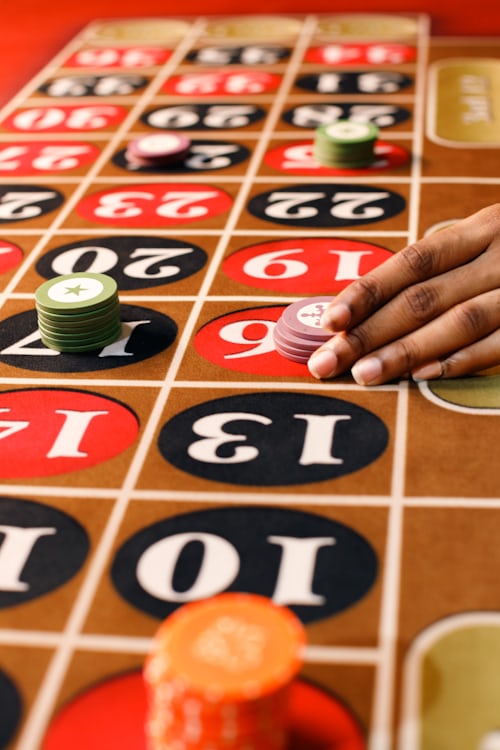
This fascination with uncertainty can be linked to psychological theories, such as Prospect Theory, which suggests that individuals evaluate potential losses and gains differently. The desire to win can overshadow the rational assessment of odds, prompting gamblers to take risks that might not align with their best interests. As people engage more deeply in gambling, their decision-making processes can become increasingly skewed, often resulting in problematic behaviors.
The Role of Cognitive Biases
Cognitive biases significantly affect gambling behavior. Many gamblers fall prey to the “gambler’s fallacy,” which is the belief that past outcomes can influence future results. For instance, a player might think that a slot machine is “due” for a payout after several losses. This misconception can lead to prolonged gambling sessions and increased financial losses, as individuals mistakenly believe they can predict outcomes.
Another common bias is the “illusion of control,” where gamblers believe they have the ability to influence random events, such as the roll of dice or the spin of a roulette wheel. This false sense of agency can be detrimental, as it encourages risk-taking behavior and fosters an environment where individuals continue to gamble despite accumulating losses. Understanding these biases is crucial for recognizing how they shape decision-making in gambling contexts.
Emotional Connections and Decision-Making
Emotion plays a pivotal role in gambling behavior. High-stakes environments can evoke strong emotional responses, leading to impulsive decisions. For example, the rush of winning can cause a gambler to overlook potential risks and continue betting, believing that their good fortune will last. Conversely, experiencing loss can lead to feelings of frustration or desperation, driving individuals to chase their losses through further gambling.
These emotional dynamics highlight the interplay between psychology and decision-making in gambling. Gamblers often rely on emotions rather than rational thinking, resulting in choices that may not align with their long-term goals. By recognizing the impact of emotions, individuals can gain insight into their gambling habits and strive for healthier decision-making strategies.
The Influence of Social Factors
Social factors also play a crucial role in the psychological impact of gambling. Peer pressure and social norms can influence an individual’s decision to gamble. In cultures where gambling is widely accepted, individuals may feel more compelled to participate, often underestimating the associated risks. This social acceptance can create an environment where risky behaviors are normalized and encouraged.
Furthermore, social interactions during gambling can amplify the thrill. Players often experience a sense of camaraderie or competition, which can cloud judgment. The desire to fit in or impress others may lead individuals to take greater risks than they would in isolation. As a result, understanding the social dynamics surrounding gambling can help mitigate its psychological impacts and inform healthier decision-making.

Understanding the Impacts
Exploring the psychological impacts of gambling is essential for fostering awareness and promoting responsible decision-making. By understanding how risk influences choices, individuals can better navigate the complexities of gambling. This insight can empower players to recognize the signs of problematic gambling behavior and seek help when needed.
As society continues to evolve in its approach to gambling, educating individuals about its psychological aspects becomes increasingly vital. Recognizing the interplay of risk, emotion, and social factors can facilitate more informed decisions, ultimately leading to a healthier relationship with gambling activities. Awareness and education are key in creating a responsible gambling culture that prioritizes mental well-being.