

Recognizing the signs of gambling addiction A guide for awareness and action
Understanding Gambling Addiction
Gambling addiction, also known as compulsive gambling, is a serious mental health issue that can devastate lives. It is characterized by an uncontrollable urge to gamble despite the negative consequences that may arise. Those affected often experience a cycle of winning and losing, where the excitement of gambling becomes a temporary escape from emotional or financial stressors. Many players now prefer sites that are known for their fastest payout online casino options, which can lead to further issues as they chase quick wins.
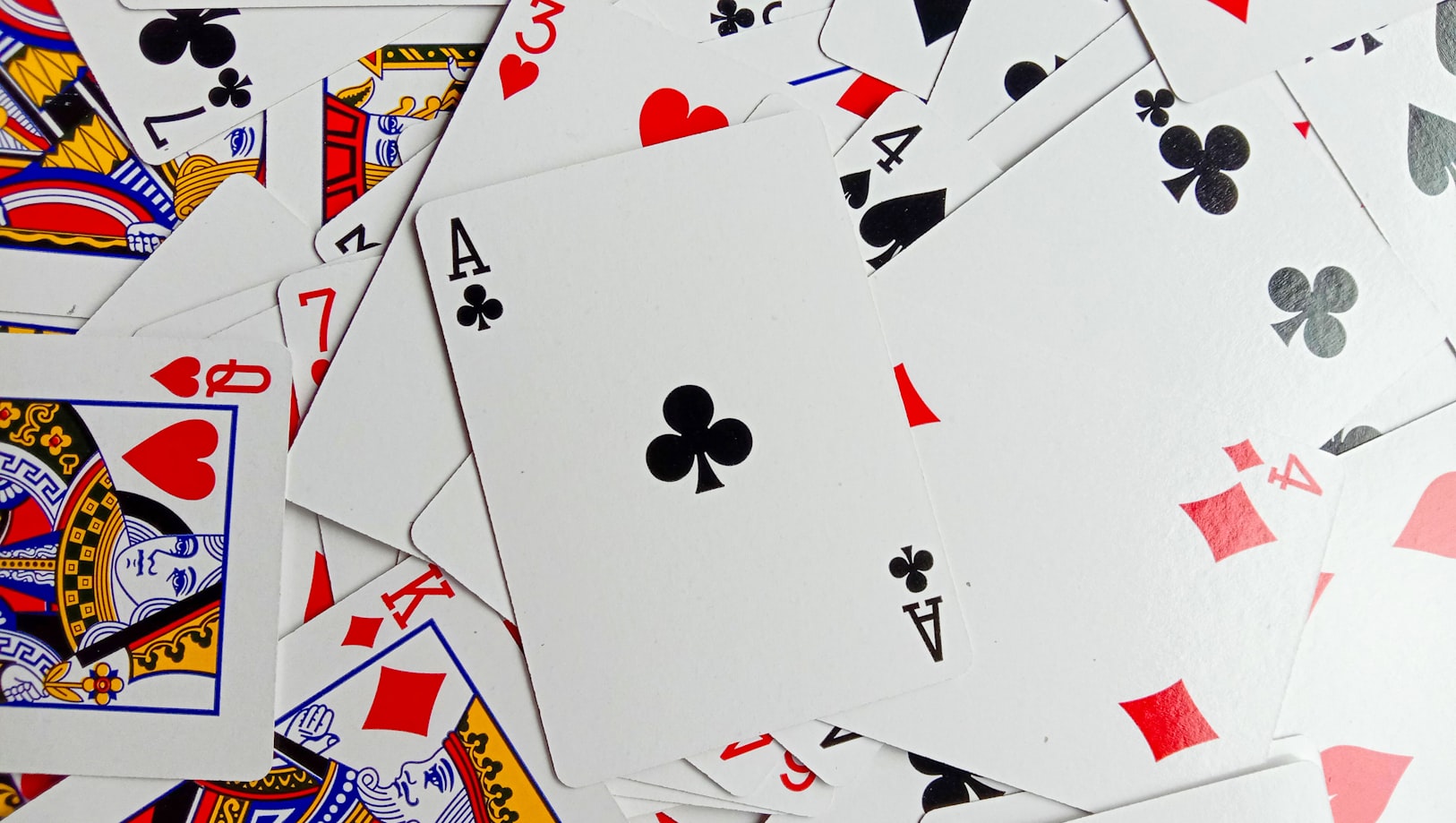
The psychological aspects of gambling addiction are complex. Many individuals may gamble to cope with stress, anxiety, or depression. This behavior can escalate as they seek larger bets or riskier games to achieve the same thrill, often leading to significant personal and financial problems.
Recognizing the Early Signs
Identifying early signs of gambling addiction is crucial for intervention. Common indicators include preoccupation with gambling, feeling restless or irritable when attempting to cut back, and needing to gamble with increasing amounts of money to achieve the desired level of excitement. These signs may be subtle at first, but they can quickly escalate if left unaddressed.
Other signs to watch for include lying about gambling activities, borrowing money to fund gambling, or neglecting responsibilities and relationships due to gambling habits. Recognizing these behaviors early can be instrumental in seeking help before the addiction worsens.
The Impact of Gambling Addiction
The repercussions of gambling addiction extend beyond the individual, affecting family and friends as well. Relationships may suffer due to financial strain, broken trust, and emotional turmoil. Loved ones may feel helpless or frustrated, often leading to conflict within the family unit.
Moreover, gambling addiction can result in severe financial consequences, including bankruptcy and loss of savings. The emotional toll can lead to feelings of shame, guilt, and isolation, exacerbating underlying mental health conditions and creating a vicious cycle that is difficult to escape.
Steps to Take for Recovery
Addressing gambling addiction requires a multifaceted approach. The first step is often acknowledging the problem and understanding its impact on one’s life. Many individuals find it helpful to seek professional guidance through therapy or support groups, which provide a safe space to share experiences and coping strategies.
Developing a plan to limit gambling activities is essential for recovery. This could include setting strict budgets, avoiding gambling environments, or engaging in alternative activities that do not revolve around gambling. Recovery is a process that takes time, patience, and support from others.

Resources for Help and Support
For those struggling with gambling addiction, numerous resources are available to assist in the recovery journey. Local and national organizations provide counseling, support groups, and educational materials to help individuals and their families understand and cope with the addiction.
In addition to professional help, creating a supportive network of friends and family can significantly aid in recovery. Open discussions about gambling behaviors and establishing trust can foster a healthier environment for healing and growth. Taking the first step towards awareness and action can lead to a more fulfilling life free from the grips of gambling addiction.