

Cultural perceptions of gambling How society shapes our beliefs and behaviors
The Historical Context of Gambling
The history of gambling spans thousands of years, reflecting the cultural values and societal norms of different civilizations. In ancient societies, gambling was often intertwined with religious beliefs and rituals. For instance, the Romans used dice for fortune-telling, while the Chinese created early forms of gambling as a means of divination. This historical context illustrates how gambling was not only viewed as a pastime but also as a way to connect with the divine or the unknown. In modern times, platforms like DatDrop enhance the gambling experience, especially when you consider using a datdrop promo code for added benefits.
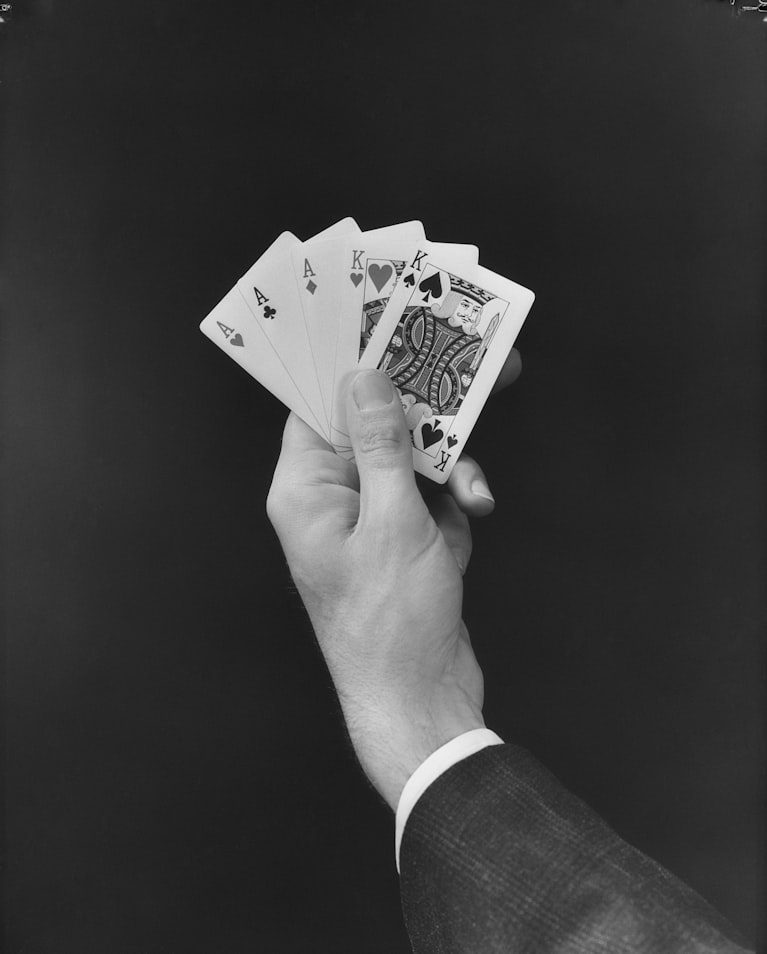
As societies evolved, so did their perceptions of gambling. In medieval Europe, gambling was often associated with the upper class, leading to the establishment of exclusive gaming houses. Meanwhile, in different regions, gambling was seen as a moral failing, creating a complex dichotomy that continues to influence modern views on the subject. This historical perspective helps us understand the deep-rooted beliefs that shape current attitudes toward gambling.
Gambling and Social Norms
Social norms play a pivotal role in shaping how gambling is perceived and practiced. In some cultures, gambling is celebrated as a form of entertainment, while in others, it is stigmatized or even criminalized. For example, in many Western societies, casinos and sports betting are widely accepted, often seen as legitimate forms of recreation. Conversely, in more conservative cultures, gambling may be viewed as immoral, leading to significant societal pushback against gambling establishments.
The influence of social norms can also impact individual behaviors and beliefs about gambling. People are more likely to engage in gambling activities if they see it as socially acceptable or popular within their peer group. This peer influence not only affects participation rates but also shapes perceptions about the risks and rewards associated with gambling, reinforcing or challenging existing cultural narratives.
The Role of Media in Shaping Beliefs
Media representations of gambling significantly impact public perception and societal beliefs. Television shows, movies, and advertisements often glamorize gambling, portraying it as an exciting and glamorous activity. This portrayal can lead to a distorted view of the risks involved, influencing individuals to underestimate potential negative consequences. Furthermore, media coverage of big wins can create a sense of false hope, leading people to believe that gambling can serve as a viable path to wealth.
On the flip side, media can also shine a light on the darker aspects of gambling, such as addiction and financial ruin. Documentaries and news reports often highlight the struggles of individuals affected by problem gambling, contributing to a more nuanced understanding of the issue. This dual representation plays a crucial role in shaping societal beliefs about gambling, affecting everything from public policy to personal behavior.
The Impact of Technology on Gambling Perceptions
Advancements in technology have transformed how society engages with gambling, leading to shifts in perceptions and behaviors. Online gambling platforms and mobile applications have made gambling more accessible than ever, appealing to a broader demographic. This accessibility often leads to increased participation, but it also raises concerns about addiction and responsible gambling practices.
As technology evolves, so do the discussions surrounding gambling ethics and regulations. The rise of cryptocurrencies and blockchain technology has introduced new dimensions to online gambling, prompting a reevaluation of traditional beliefs and practices. Society’s ongoing adaptation to these technological changes plays a significant role in shaping both the culture of gambling and the accompanying narratives surrounding it.

DatDrop: A Modern Perspective on Gambling
DatDrop offers a unique platform for fans of Counter-Strike 2, reflecting contemporary cultural perceptions of gambling through its innovative approach. By focusing on virtual items like CS2 skins, it caters to a niche audience, bridging traditional gambling experiences with modern gaming culture. This integration demonstrates how technology and gaming influence current beliefs about gambling.
The user-friendly interface and emphasis on transparency highlight DatDrop’s commitment to creating a secure and enjoyable gambling environment. Additionally, promotional offers like deposit bonuses allow players to explore gambling in a way that aligns with contemporary trends. As society continues to shape its views on gambling, platforms like DatDrop are at the forefront of redefining the landscape, making gambling more relatable to today’s digital-savvy generation.