
Debunking common myths in gambling What you really need to know
The Illusion of Control
One of the most pervasive myths in gambling is the belief that players can control the outcome of a game through strategies or betting patterns. This notion stems from the misconception that gambling is a skill-based activity rather than a game of chance. In reality, outcomes in games like slots, roulette, and blackjack are determined by random number generators or fixed probabilities, which makes it impossible to predict or influence results consistently. While exploring the world of gaming, some users may discover the best online casino for their needs.
This myth can lead to significant losses as players invest time and money in strategies that have no real impact on the outcome. Understanding that luck plays a central role in gambling can help players approach the activity with a more realistic mindset, allowing them to enjoy the experience rather than getting caught in the trap of believing they can control fate.
The Gambler’s Fallacy
The gambler’s fallacy is the belief that past events can influence future outcomes in a random game. For example, if a roulette wheel has landed on red several times in a row, some may believe that black is “due” to occur next. This thinking is flawed, as each spin of the wheel is an independent event, unaffected by previous results. Understanding this fallacy is crucial for anyone involved in gambling.
By recognizing that each outcome is independent, players can make more informed decisions without falling prey to misconceptions. This awareness also encourages a more enjoyable gambling experience, as individuals can focus on the game itself rather than being distracted by erroneous beliefs about probability.
The Myth of “Hot” and “Cold” Machines
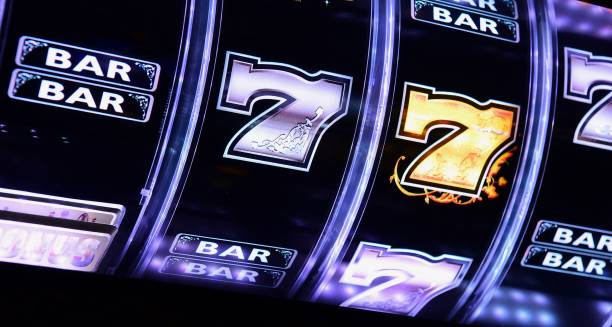
Many gamblers believe that slot machines can be “hot” or “cold,” meaning that some machines are more likely to pay out than others based on recent activity. This idea can lead players to spend extended periods at particular machines in hopes of hitting a big win. However, slot machines operate on random number generators, ensuring that each spin has an equal chance of winning, regardless of past outcomes.
Understanding this concept can save players a significant amount of time and money. Instead of chasing after the allure of a “hot” machine, gamblers can explore various games and enjoy the experience without the stress of trying to predict outcomes based on previous results. This shift in mindset encourages a healthier approach to gaming.
Luck vs. Skill: Setting the Record Straight
Another common myth is the belief that skill can significantly influence the outcome of all gambling activities. While some games, like poker, do require a certain level of skill, most casino games rely heavily on luck. For instance, games like slots and roulette have no skill component; players cannot influence the outcome through strategic decision-making.
Recognizing the difference between skill and luck can help players manage their expectations and approach gambling with a more balanced perspective. This understanding can prevent frustration and foster a more enjoyable experience, ensuring that individuals can appreciate the entertainment aspect without becoming overly invested in winning.

Understanding Security in Online Gambling
In the age of digital gaming, understanding security measures in online gambling has become increasingly important. Many players may be concerned about the safety of their personal and financial information. However, reputable online casinos invest heavily in security technologies to protect their users from potential cyber threats, ensuring a safe gambling environment.
If users encounter issues accessing information or believe they have been mistakenly blocked from a site, it is essential to reach out to customer support. Responsible gambling platforms prioritize user safety and encourage communication to resolve issues promptly. By staying informed about security measures, players can enjoy their online gambling experience with greater peace of mind.