

The Allure of Casino Games
The fascination with casino games extends beyond mere chance; it taps into deep-seated psychological triggers that affect human behavior. Many players are drawn to the excitement and thrill of gambling, often seeking an escape from reality. The vibrant lights, sounds, and environment of a casino create a sensory overload that enhances anticipation and curiosity. This immersive experience can evoke a rush of adrenaline that keeps players coming back for more. For those interested in the thrill of competition, exploring the best online poker options could further enrich their experience.

Moreover, the unpredictable nature of gambling mirrors real-life challenges and rewards, making it attractive to those who thrive on risk. The potential for a high payoff not only fuels excitement but can also lead to a heightened sense of control, as players believe they can influence the outcome through their decisions, further enhancing their engagement with the games.
The Role of Cognitive Biases
Cognitive biases play a significant role in shaping the behavior of casino players. For instance, the illusion of control is a common phenomenon where individuals overestimate their influence over random events. This bias is particularly evident in games like poker or roulette, where players may believe that their skill or strategies can alter the odds in their favor, leading them to take risks they otherwise wouldn’t consider.
Another prevalent bias is the gambler’s fallacy, which is the belief that past random events can influence future outcomes. For example, a player might assume that a particular number is ‘due’ to hit on a slot machine after a series of losses. These cognitive distortions not only affect decision-making but can also exacerbate the cycle of gambling addiction, as players cling to the hope of winning based on flawed reasoning.
Emotional Factors in Player Behavior
Emotions significantly impact player behavior in casinos. Winning can trigger feelings of joy and exhilaration, reinforcing the desire to continue playing. Conversely, losses can lead to frustration and desperation, often resulting in a chase for recovering lost money. This emotional rollercoaster creates a complex relationship with gambling, where the highs can outweigh the lows, making it difficult for players to walk away.
Furthermore, social interactions within casinos can also affect emotions and decisions. Players may feel a sense of camaraderie with others, contributing to a communal atmosphere that encourages extended play. The combination of emotional gratification and social reinforcement can lead to a deeper engagement with gambling activities, making it harder for individuals to recognize when they should stop.
The Impact of Design and Gamification
The design of casino games incorporates psychological principles to enhance player engagement. Elements such as progressive jackpots, frequent small wins, and variable rewards are strategically placed to keep players enthused and invested. This gamification creates a compelling experience that blurs the lines between entertainment and gambling, encouraging players to continue playing in hopes of big wins.
Additionally, the use of sounds, visuals, and tactile feedback, such as the spinning of a slot machine or the clattering of chips, can create a rewarding atmosphere. These sensory cues not only evoke excitement but also reinforce behaviors, making it more likely for players to return. Casinos understand that by crafting an environment designed around psychological engagement, they can significantly boost player retention and spending.
Understanding the Online Gambling Experience
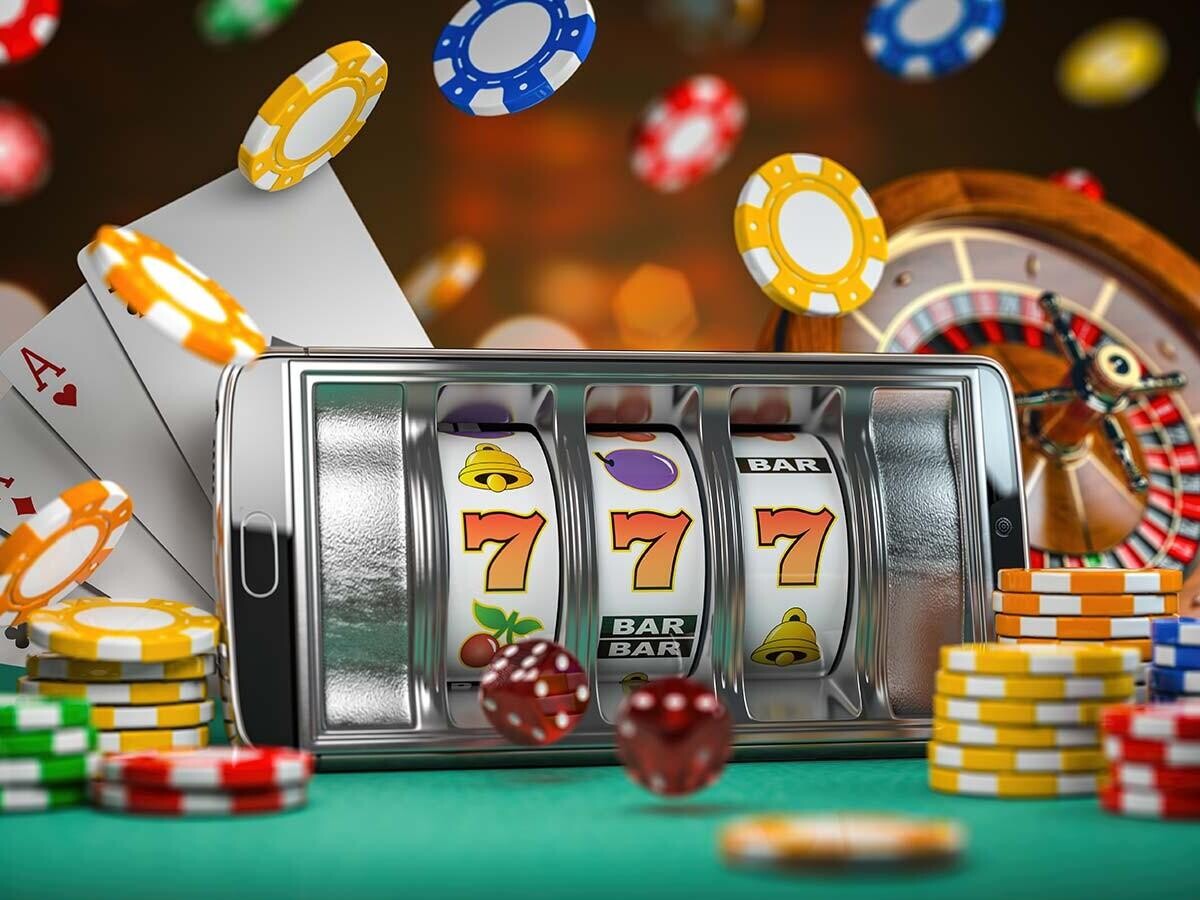
The evolution of technology has transformed the gambling landscape, offering a plethora of online casino games accessible from the comfort of home. This shift has introduced new layers of psychological dynamics, as the physical environment of a casino is replaced with a virtual interface. Online gambling allows for anonymity and convenience, which can lead to increased risk-taking behavior.
A significant concern with online gambling is the potential for compulsive behavior, as players may find it easier to lose track of time and money in a digital environment. The lack of social cues that are typically present in physical casinos can lead to overindulgence, as individuals may not fully appreciate the consequences of their actions. Understanding player psychology in this context is crucial for promoting responsible gambling practices and ensuring a safe online experience.