


Exploring the Unavailable: Which Sites Are Not Online?
The internet is a vast network of information, services, and entertainment, yet there are still countless websites that are not available or have gone offline. Understanding which sites are not online can provide insights into the digital landscape and highlight the issues that impact the availability of web platforms. In this article, we will dive into various types of websites that are not accessible, from personal blogs to commercial platforms, including which sites are not on GamStop? UK non GamStop casinos. We’ll explore potential reasons behind their inaccessibility and the implications that such unavailability holds.
1. Personal Blogs and Creative Projects
One of the most common types of websites that may not be accessible are personal blogs and creative projects. Many individuals start these initiatives with enthusiasm, yet due to various reasons—be it lack of time, inspiration, or resources—such sites can become abandoned. When a blog ceases to be updated, it may eventually lead to its domain name expiring and being taken down, especially if the owner fails to renew it.
2. Small Business Websites
Small businesses are often vulnerable to the shifts in economic conditions. When financial hardships strike, maintaining an online presence can become an unaffordable luxury. Websites for small businesses might experience downtime or be permanently taken offline if the business closes. This is particularly prevalent among startups that fail to secure a stable customer base, leading to their digital departure.
3. Websites with Legal Issues
Certain websites can become inaccessible due to legal challenges. This can occur with content that infringes on copyrights, trademarks, or other legal regulations. Often, these sites are taken down by hosting providers following a request from rights holders or legal authorities. For instance, file-sharing sites and platforms that host pirated content frequently encounter this problem, leading to sudden unavailability.
4. Commercial Sites and E-commerce
The e-commerce realm is fraught with competition, and not every website succeeds in capturing the market. Companies that fail to generate sufficient traffic or sales may close down their online storefronts. Additionally, some e-commerce platforms may go offline when they are unable to sustain operations due to rising costs, changes in consumer preferences, or logistical challenges.
5. Streaming and Entertainment Platforms
The entertainment industry has seen a significant shift towards digital, with many platforms emerging to cater to audiences. However, not all of these platforms have a lasting future; some may disappear within months of launching. Streaming services can become irrelevant or be forced to shut down due to a lack of content, funding, or competition from larger, established platforms. It is not uncommon for fans to suddenly find their favorite streaming sites no longer operational.
6. Redundant or Outdated Sites
As technology evolves, many websites become outdated or redundant, offering services or information that are no longer relevant. Websites that cannot keep pace with technological advancements or changing consumer needs often fade into obscurity. Popular sites that once thrived can eventually disappear if they are unable to adapt to a more modern web landscape.
7. Domain Name Expiry
Many websites disappear due to domain name expiry. Owners often forget to renew their domain registrations, leading to websites going offline. In a world where maintaining an online presence is crucial, failing to renew domain names can signal the end of numerous online personas and businesses. This phenomenon often affects both personal blogs and small businesses.
8. International & Regional Restrictions
Some websites may be restricted based on geographic location due to national regulations. Accessing certain platforms may be blocked in various regions, making it impossible for users in those areas to visit the sites. These restrictions can be based on legal, political, or social policies, limiting the availability of specific content and websites.
9. Technical Issues
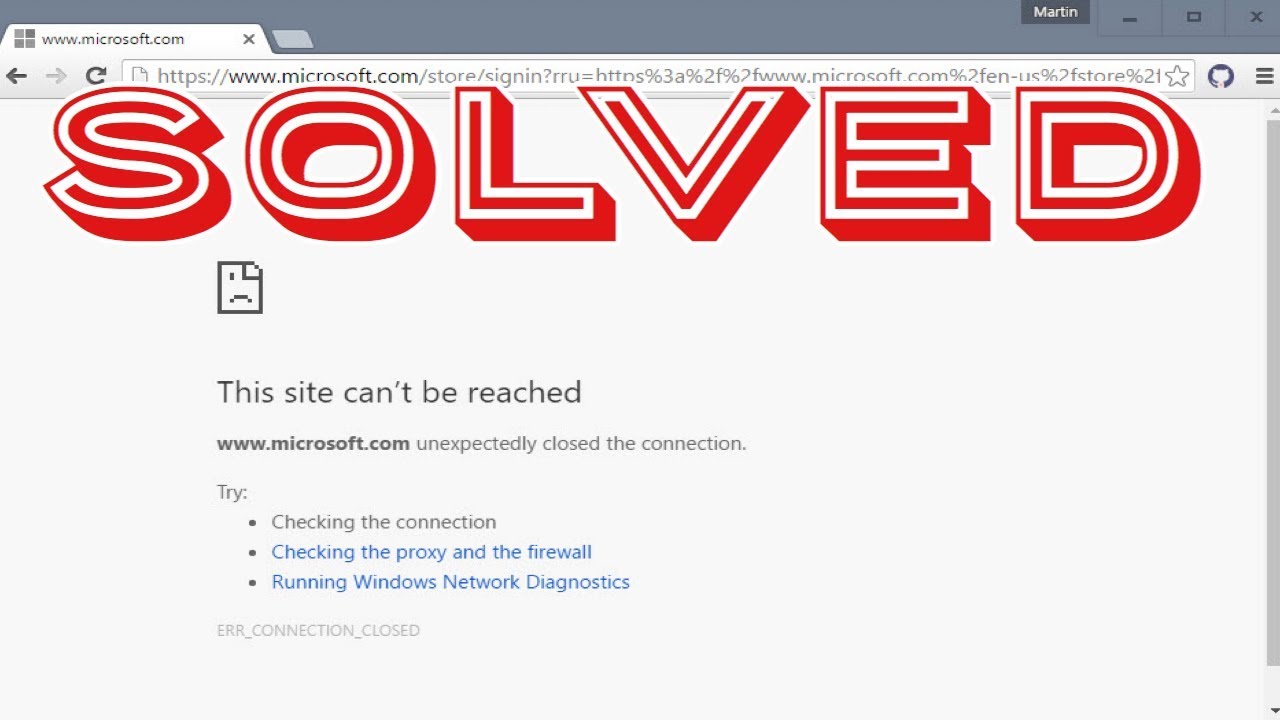
Technical problems can lead to websites being temporarily or permanently offline. Server issues, cybersecurity breaches, or coding errors can all contribute to a website’s inaccessibility. Moreover, lack of adequate technical support can further exacerbate these issues, leading to prolonged periods of downtime.
The Broader Implications of Unavailability
The disappearance of websites has broader implications beyond mere accessibility. It reflects shifts in the digital economy, changes in consumer behavior, and can signify the evolving nature of content consumption. The demise of sites can leave gaps in the information accessible to users, pushing audiences toward more established platforms.
Conclusion
In conclusion, the question of which sites are not online is complex, encompassing various factors from personal choice to legal restrictions. Understanding the reasons behind the unavailability of websites helps us appreciate the dynamic nature of the online world. While some sites may vanish, others flourish, reflecting the ever-evolving digital landscape. As users, it is essential to stay informed and adaptable, shifting towards platforms that suit our needs and interests in this digital age.